The case arose from a complaint filed by a woman against her husband and his family members, including her father-in-law, mother-in-law and sister-in-law.
She alleged that although dowry worth of ₹4 lakh along with items of gold jewellery and various other household goods had been given at the time of marriage, her husband’s family later demanded an additional ₹6 lakh and a Bullet motorcycle.
According to the complaint, she was subjected to harassment, assault and threats over these demands. The woman also accused her husband of forcing her to perform sexual acts that caused her severe pain. She further alleged that her father-in-law behaved inappropriately with her and also threatened her with a licensed firearm.
Based on these allegations, the police registered offences under several provisions of the IPC, including Section 377 (unnatural offences), Section 498A (cruelty by husband or his relatives), Section 354 (assault on a woman with intent to outrage her modesty), and other provisions dealing with assault and criminal intimidation. Charges under the Dowry Prohibition Act were also invoked.
The husband then approached the High Court seeking quashing of the criminal case registered against him and his family members.
The husband’s counsel argued that the allegations were exaggerated and inconsistent with the woman’s earlier statements in maintenance proceedings. They further contended that Section 377 could not apply to sexual acts between a husband and wife.
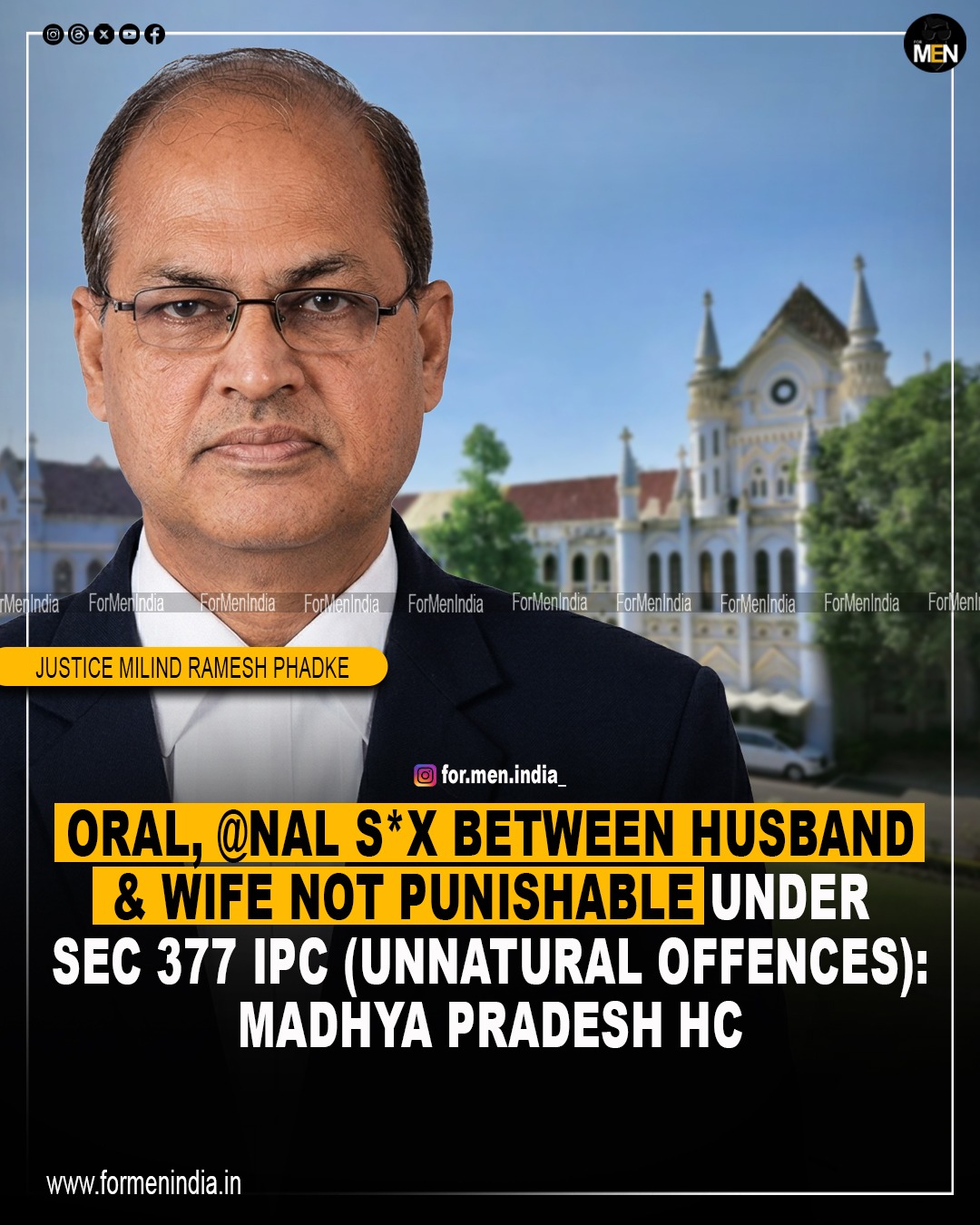
The High Court examined the legal position on sexual offences following the 2013 amendments to criminal law. These amendments expanded the definition of rape under Section 375 of the Indian Penal Code to include various forms of penetration, including oral and anal acts.
However, the court noted, the law continues to contain an exception, commonly referred to as the “marital rape exception”, which states that sexual intercourse or sexual acts by a husband with his wife, provided she is not a minor, do not amount to rape.
Because such acts are already covered under the expanded definition of rape but are exempted within marriage, the Court held that they also cannot be prosecuted separately as “unnatural offences” under Section 377 IPC.
Consequently, the charge under Section 377 against the husband was quashed.
The Court also quashed the criminal proceedings against the sister-in-law, after noting that the allegations against her were vague and no specific role had been attributed to her in the complainant’s statement before a magistrate.
However, the High Court declined to quash the remaining charges against the husband, father-in-law and mother-in-law. It noted that the complaint and investigation material disclosed sufficient initial evidence regarding allegations of dowry harassment and physical abuse.